
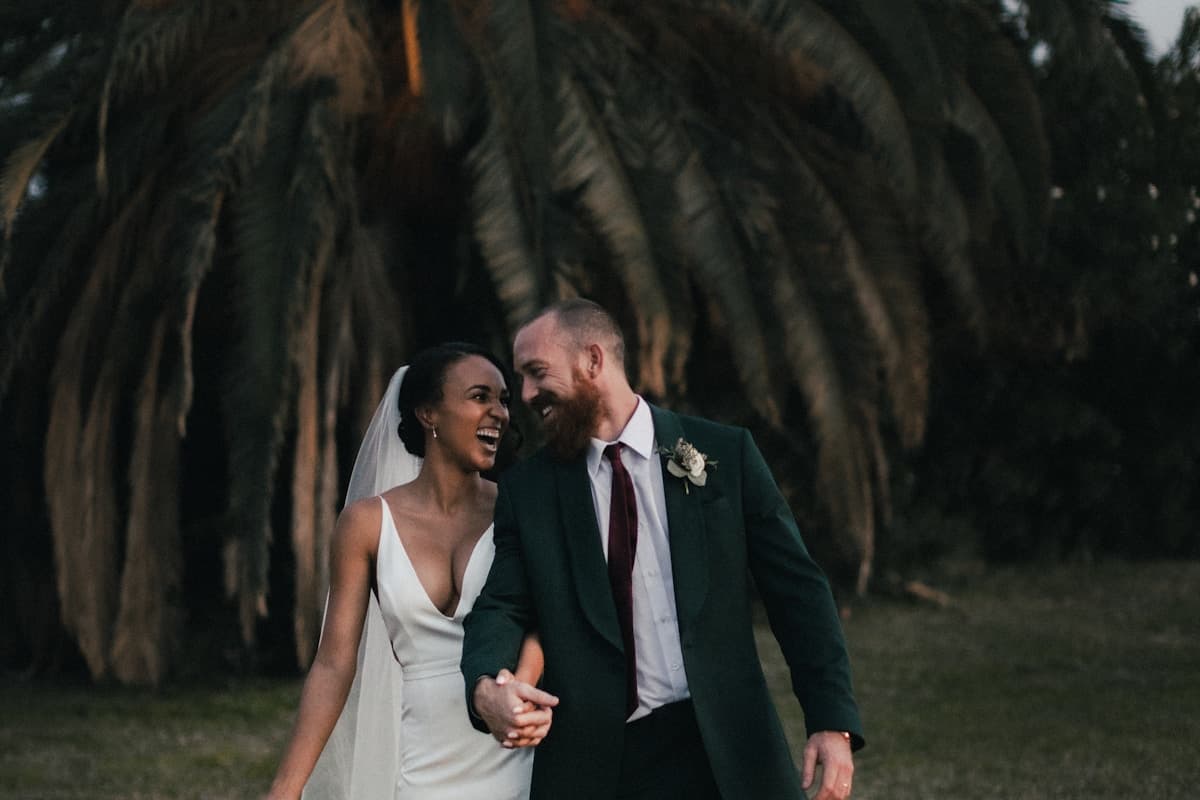
The Ultimate Guide to Wedding Photography: How to Get Photos You Actually Love
When the cake is eaten, the flowers have wilted, and the dress is dry-cleaned and boxed away, what remains of your wedding day?
The photos.
Wedding photography is unique because it is the only vendor investment you make that appreciates in value. Ten years from now, a photo of you laughing with your grandfather won't just be a nice picture; it will be an invaluable family heirloom.
Yet, many couples end up disappointed with their wedding galleries. They feel they look stiff, they missed getting a photo with their favorite aunt, or the lighting in their ceremony venue made them look tired.
Getting stunning wedding photos is not about being photogenic. It is about preparation, communication, and timeline management. This guide will walk you through exactly how to ensure your wedding photos are everything you've dreamed of.
1. Choosing Your Photographer: The Three Styles
Before you look at prices, you must understand editing and shooting styles. If you hire a "Dark and Moody" photographer and then complain that your photos aren't bright and airy, that is a failure in hiring, not a failure in photography.
The Fine Art / Light and Airy Style
- The Look: Bright, luminous, pastel-heavy. Skin tones are creamy, and greens are often desaturated to look softer.
- The Vibe: Romantic, ethereal, and highly curated.
- Best For: Outdoor garden weddings, daytime beach weddings, and couples who want a magazine-editorial look.
The Dark and Moody / Earthy Style
- The Look: High contrast, deep shadows, warm undertones. Colors are rich and saturated.
- The Vibe: Emotional, dramatic, and cinematic.
- Best For: Fall weddings, forest elopements, historic mansions, and indoor winter weddings.
The True-to-Color / Documentary Style
- The Look: Colors look exactly as they did in real life. The shooting style is "photojournalistic," meaning the photographer acts as a fly on the wall rather than posing you constantly.
- The Vibe: Authentic, timeless, and candid.
- Best For: Couples who hate posing, high-energy parties, and vibrant cultural weddings.
Pro Tip: Never book a photographer based purely on their Instagram feed. Instagram is a highlight reel of perfectly lit sunset portraits. Ask to see two full wedding galleries from a real wedding. You need to see how they shoot in dark reception halls and harsh midday sun.
2. The Timeline: Protecting the "Golden Hour"
The single biggest factor in the quality of your portraits is not your photographer's camera; it is the sun.
Golden Hour is the 60 to 90 minutes right before sunset. The light is soft, warm, and wraps around you flatteringly, eliminating harsh under-eye shadows.
If you are getting married outdoors, you must build your entire day's timeline around the sunset.
- Bad Timeline: Ceremony at 3:00 PM (harsh overhead sun), Cocktails at 4:00 PM, Portraits at 4:30 PM, Sunset is at 7:00 PM. You miss the best light.
- Good Timeline: Ceremony at 4:30 PM, Cocktails at 5:00 PM. You slip away with your photographer at 6:30 PM for 30 minutes of Golden Hour portraits while your guests eat appetizers.
3. The "Unplugged" Ceremony
We have all seen the photo: The bride is walking down the aisle, the groom is looking at her with tears in his eyes, and halfway down the aisle, Uncle Bob is leaning into the center of the frame holding a giant iPad.
An "Unplugged Ceremony" is a strict rule that no guests may use phones or cameras during the ceremony.
How to enforce it:
- Put a polite note on your wedding website.
- Have a beautiful sign at the entrance to the ceremony seating.
- Crucially: Have your officiant make an announcement right before the processional begins. "Welcome everyone. The couple has requested that you put all phones and cameras away for the duration of the ceremony. They have hired an incredible professional photographer to capture this, and they want you to be fully present in the moment with them."
4. The Family Formals Matrix
The family portrait session is usually the most stressful 30 minutes of the wedding day. It involves herding 30 people who just want to go to the bar.
To survive this, you need the "Family Formals Matrix." This is a specific list you give to your photographer one month before the wedding.
Do not write: "Photos with bride's family." Do write:
- Bride + Groom + Bride's Parents (John and Mary)
- Bride + Groom + Bride's Parents + Bride's Siblings (Sarah, Tom)
- Bride + Groom + Bride's Grandparents (Arthur and Helen)
Assign a "wrangler" from each side of the family (usually a loud, bossy cousin or sibling) who knows everyone's names and faces. Give them the list. Their job is to find the people for the next photo while the current photo is being taken. This cuts the portrait time in half.
5. The First Look: Why You Should Probably Do It
A "First Look" is a private moment where you and your partner see each other fully dressed before the ceremony.
While some traditionalists prefer waiting for the aisle, from a photography and timeline perspective, a First Look is highly recommended.
Why it works:
- It calms the nerves. You get to hug, cry, and actually speak to each other in private. At the altar, you have an audience of 100 people.
- You get 40% more portraits. You can take all your couple portraits and wedding party portraits before the ceremony.
- You get to attend your own cocktail hour. Because the photos are already done, after the ceremony, you can actually go drink champagne and eat appetizers with your friends.
6. How to Look Natural (When You Hate Being Photographed)
If you feel awkward in front of a camera, you are not alone. 95% of couples tell their photographer, "We are super awkward in photos."
The secret to looking natural isn't practicing poses; it's movement. Static poses (stand there, smile at the camera) look stiff. Movement creates natural geometry in the body and genuine facial expressions.
- The Drunk Walk: Hold hands, walk toward the camera, and bump your hips into each other playfully as you walk.
- The Whisper: Have your partner whisper the grocery list into your ear using their sexiest voice. The resulting laugh will be a genuine, beautiful photo.
- Focus on each other, not the lens. Unless the photographer explicitly says "look at me," keep your eyes on your partner.
7. What to Do With the Photos Afterward
Six to eight weeks after your wedding, you will receive a gallery of 800+ photos. Do not just let them sit on a hard drive.
- Print them. Have your photographer design a professional album. A physical book tells the story of the day in a way a screen never can.
- Share them with guests. Your guests want to see the professional photos, especially the candid shots of them dancing.
The Best Way to Share: Your wedding website shouldn't shut down the day after the wedding. With Wedflip, you can upload your professional photo gallery directly to your site and email your guest list the link, giving everyone a beautiful, centralized place to relive the day.
Your wedding photos will outlast the venue, the dress, and the cake. Invest the time upfront to communicate with your photographer, protect your timeline, and then—on the day of the wedding—let go. Trust the professional you hired, stop worrying about the camera, and just go get married.
Keep the Memories Alive
A Wedflip wedding website isn't just for RSVPs. It's a living digital memory book. Long after the wedding, use your beautifully designed site to host your professional photo gallery, share your highlight video, and thank your guests for coming.