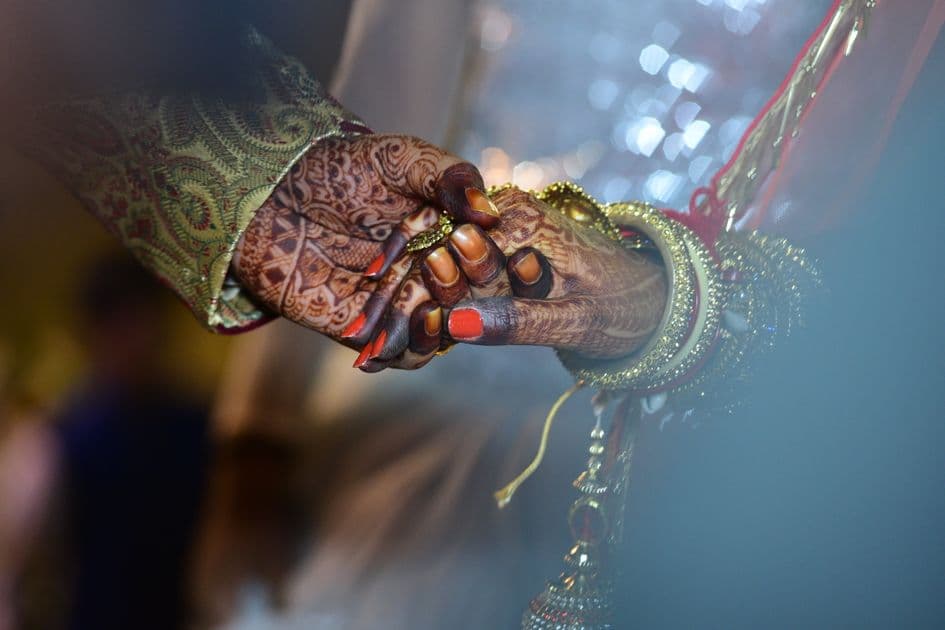

The white dress is no longer a requirement. The black tux is no longer a guarantee. In 2026, wedding attire is experiencing its most creative revolution in decades, and couples are wearing what makes them feel like themselves — not what tradition dictates.
The Death of Dress Codes
What's Changing
- Brides wearing color — blush, black, green, even patterned gowns
- Grooms ditching the tux — linen suits, velvet blazers, matching sets
- Bridesmaids in separates — mix-and-match pieces they'll actually wear again
- Groomsmen in personality — different ties, suspenders, even different suits
- Non-binary attire — suits with gowns, pantsuits with veils, everything in between
What's Driving It
- Social media exposure — couples see alternatives and want them
- Gender fluidity — traditional gendered clothing feels restrictive
- Personal brand — your outfit should reflect your personality
- Sustainability — wearing what you'll reuse vs. what you'll donate
- Cultural fusion — blending traditions from multiple backgrounds
Non-Traditional Bride Trends
Colored Gowns
- Black wedding dresses — dramatic, elegant, and surprisingly popular
- Green and emerald — nature-inspired, luxurious
- Champagne and gold — warm alternatives to stark white
- Pattern and print — floral, abstract, even plaid
Alternative Silhouettes
- Jumpsuits — modern, comfortable, dance-floor ready
- Two-piece sets — crop top and skirt for a fashion-forward look
- Capes and cloaks — dramatic alternatives to veils
- Short dresses — knee-length for courthouse or casual ceremonies
- Suits — tailored pantsuits for a powerful statement
Cultural Fusion
- Traditional Vietnamese áo dài in modern fabrics
- Indian lehengas in Western silhouettes
- African kente cloth suits
- Japanese-inspired kimono coats
Non-Traditional Groom Trends
Beyond the Black Tux
- Velvet blazers — texture and depth
- Linen suits — relaxed destination style
- Colored suits — navy, emerald, terracotta, burgundy
- Patterned jackets — floral, paisley, geometric
- Matching with partner — coordinated (not identical) looks
Accessories That Make Statements
- Patterned socks
- Custom suspenders
- Statement watches
- Pocket squares that tell a story
- Custom sneakers instead of dress shoes
The Wedding Party Revolution
Bridesmaids No More
- Groomswomen — women standing on the groom's side
- Mix-and-match — same color, different styles
- Separates — tops and bottoms they'll actually rewear
- Jumpsuits — the comfortable alternative everyone loves
- Floral prints — for a garden or bohemian wedding
Groomsmen Evolved
- Different ties, same suits — individual personality within cohesion
- No ties at all — open collar for casual elegance
- Colored shirts — breaking the white shirt tradition
- Suspenders only — relaxed and photogenic
How to Choose Non-Traditional Attire
Step 1: Define Your Wedding Vibe
Your attire should match your celebration's energy:
- Bohemian — flowing fabrics, natural tones, layered jewelry
- Modern minimal — clean lines, architectural shapes, monochrome
- Romantic — lace, soft colors, dramatic silhouettes
- Edgy — leather, dark colors, unconventional shapes
Step 2: Consider Your Venue
- Beach wedding → linen, light fabrics, barefoot options
- Barn wedding → rustic elegance, earth tones
- City loft → fashion-forward, editorial
- Garden → floral prints, natural textures
Step 3: Respect Your Budget
Non-traditional doesn't mean expensive:
- Rent a statement piece instead of buying
- Shop vintage stores and consignment
- Mix high and low — designer accessories with affordable basics
- Choose pieces you'll wear again
Step 4: Communicate with Your Partner
Coordinate without matching:
- Complementary color palettes
- Similar formality levels
- Shared aesthetic elements
- Individual personality touches
Guest Dress Code Evolution
New Formal Options
- Garden formal — elegant but weather-appropriate
- Creative black tie — formal with personal flair
- Cocktail with a twist — standard but with room for expression
- Themed dress code — all-white, all-black, specific color palette
- No dress code — trust your guests (works for casual weddings)
What to Put on Your Invitation
- "Dress code: whatever makes you feel amazing"
- "Formal attire welcome but not required"
- "Your finest outfit — we trust your judgment"
- "Dress for the occasion you'd throw for yourself"
The Wedding Outfit Budget Guide
| Approach | Cost Range | Best For |
|---|---|---|
| Traditional bridal shop | $1,500 - $5,000 | Classic white gown |
| Designer alternative | $800 - $2,500 | Colored or modern |
| Vintage/consignment | $200 - $800 | Sustainable + unique |
| Custom made | $1,000 - $4,000 | Perfect fit + personal |
| Rental | $150 - $500 | One-day luxury |
| Suit (all genders) | $300 - $1,500 | Non-bridal looks |
Real Couples, Real Rules
"We both wore emerald green. Our photographer said it was the most visually cohesive wedding she'd ever shot." — Mia & Alex
"I wore a red ao dai and he wore a navy suit. Our families' cultures were both represented." — Thanh & Mark
"We told guests to wear their favorite color. The photos look like a rainbow — and it's perfect." — Jordan & Casey
The Bottom Line
Your wedding attire should make you feel like the most authentic version of yourself. If that means a white gown and a black tux, beautiful. If it means a green jumpsuit and a velvet blazer, also beautiful. The only rule in 2026: wear what makes you happy.